
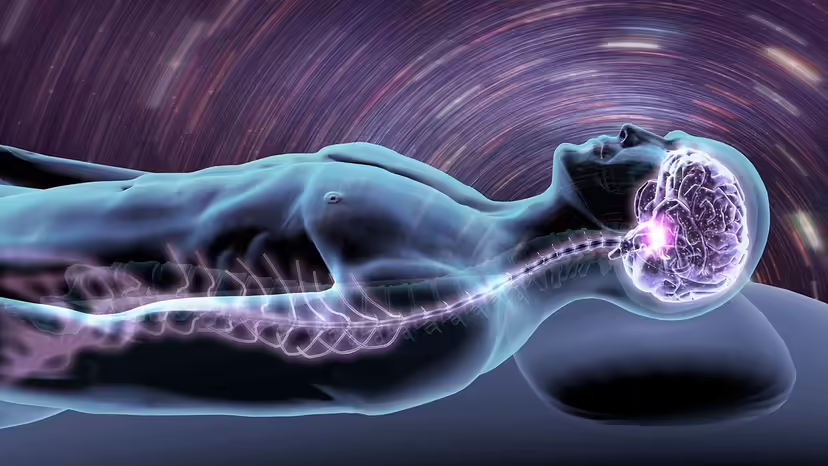

Sleep Cycle
| N1 | Light sleep | 1–7 minutes | Transition from wakefulness to sleep |
| N2 | Light sleep | 10–25 minutes (longer later) | Memory processing, preparing for deep sleep |
| N3 | Deep sleep | 20–40 minutes (mostly early night) | Physical recovery, immune function, tissue repair |
| REM | Dream sleep | Starts around 10 minutes, lengthens to 30–60 minutes later | Dreaming, emotional regulation, learning, memory consolidation |
By emphasizing clean layouts, flexible components, and a clear content hierarchy, it offers a stable foundation for agencies building sustainable digital ecosystems rather than short-term solutions.
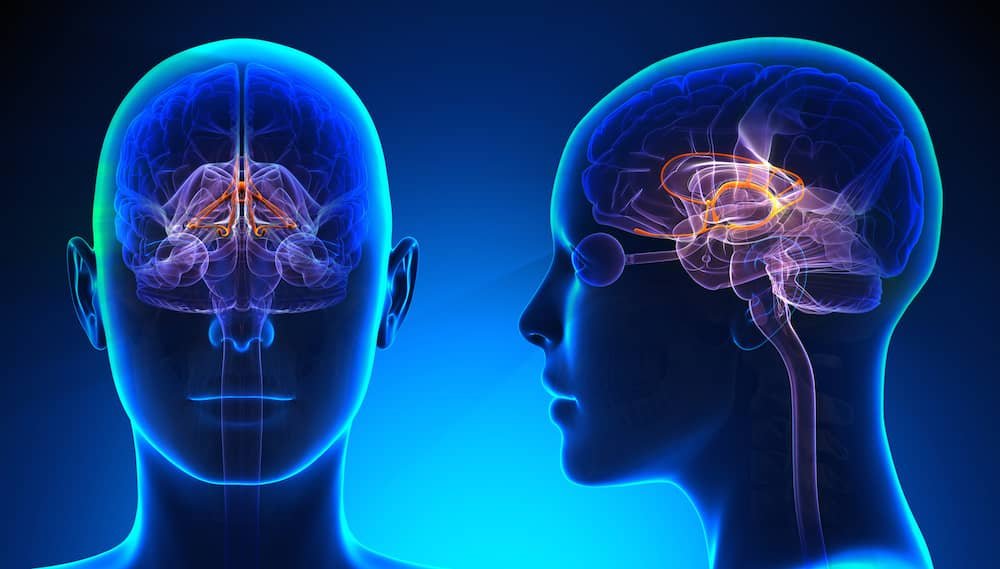
Rapid Eye Movement sleep
Rapid Eye Movement sleep is one of the four stages of the sleep cycle and is the stage most closely associated with vivid dreaming. During REM sleep, your brain becomes highly active, almost as active as it is when you are awake, while most of your body’s voluntary muscles are temporarily paralyzed. This unique combination allows you to experience realistic dreams without physically acting them out.
REM sleep typically begins about 90 minutes after you fall asleep. It is the final stage in each sleep cycle, which lasts approximately 90 to 120 minutes. Throughout the night, your body repeats this cycle four to six times. Early in the night, REM periods are relatively short, lasting around 10 minutes, but they become progressively longer. By the final sleep cycle, REM sleep may last between 30 and 60 minutes.
By emphasizing clean layouts, flexible components, and a clear content hierarchy, it offers a stable foundation for agencies building sustainable digital ecosystems rather than short-term solutions.